What Should You Consider When Making a Large-Scale Land Investment in Thrace?
Discover the key factors to consider—such as title deeds, zoning status, transportation, infrastructure, agricultural potential, and future appreciation—when making large-scale land investments in the Thrace region.

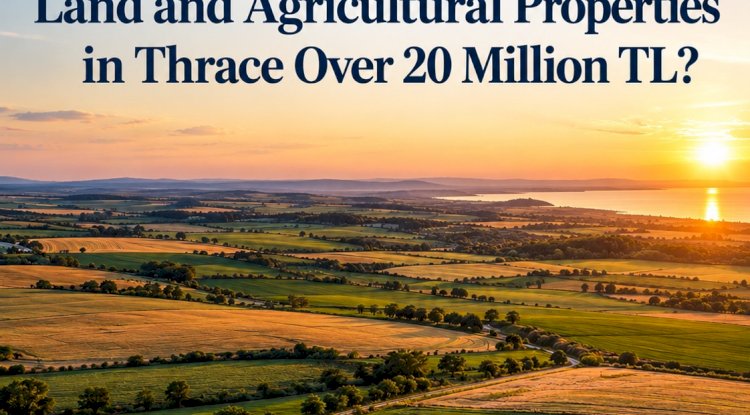
With its proximity to Istanbul, developing transport links, agricultural production capacity, and diverse land options, the Thrace region stands out as an attractive area for long-term real estate investments. Especially when it comes to large-scale land investments, selecting the right location and conducting a thorough analysis of the legal status are factors that directly influence the future value of the investment.
When investing in large tracts of land in Thrace, the first step is to examine the zoning status and title deed records. Whether the land is classified as agricultural land, a building plot, or another category determines how it can be used. It is essential to verify title deed records, ownership structure (such as shared ownership), any encumbrances or easements, and access to cadastral roads.
Another critical aspect involves zoning plans and regional development decisions. Environmental master plans, municipal zoning regulations, the proximity to industrial zones or logistics hubs, and new infrastructure projects can all shape the future potential of the land. However, it should not be assumed that every planned development will automatically increase the value of the land.
Beyond the size of the plot, its physical characteristics are equally important. Topography, slope, soil composition, access to water sources, electrical infrastructure, and road connectivity define the nature of the investment. If the intended use is agricultural, factors such as irrigation potential and soil fertility must also be evaluated.
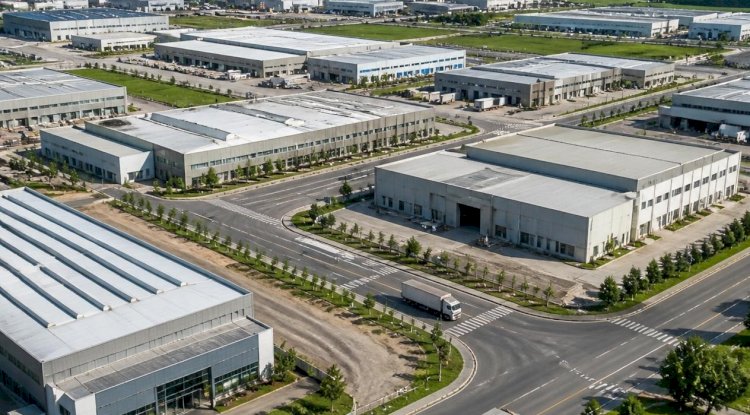
Land investments in Thrace should not be viewed solely through the lens of agricultural production. Opportunities such as farm investments, rural lifestyle projects, industrial facilities, or the assembly of long-term land portfolios represent various potential investment strategies—each with its own specific regulatory requirements and permitting processes.
Ultimately, a purchasing decision should not be based solely on the price per square meter. Regional comparables, completed sales, liquidity, alternative usage possibilities, and holding costs should be analyzed in conjunction.
When analyzed correctly, a large-scale land investment in the Thrace region can evolve into a long-term asset strategy. The key here is not merely finding affordably priced land, but rather evaluating both its current characteristics and its future value potential.
Ozkan OZEL
Strategic Real Estate Asset Management
Besiktas / Istanbul
What's Your Reaction?